What to wear to a job interview, by industry and dress code
What to wear to a job interview in corporate, business casual, creative and tech workplaces, or on a video call, plus grooming details and what to avoid.
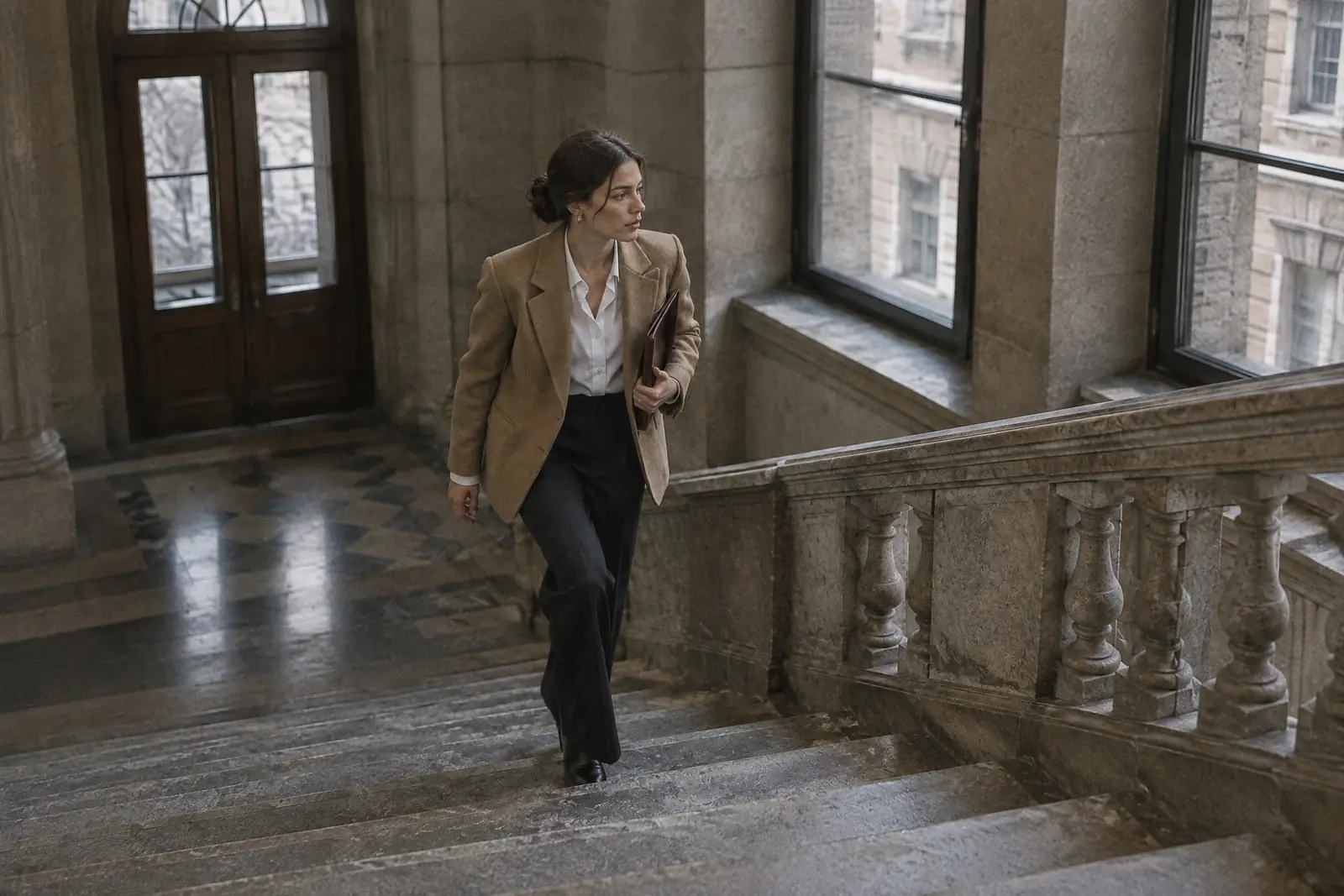
An interview outfit has one job: to let the conversation be about you, not your clothes. You want to look prepared, comfortable and appropriate for the place, so the interviewer can focus on what you’re saying.
The right outfit depends on where you’re interviewing. Here’s how to read the room before you’re in it.
How to find the dress code
Before choosing anything, do a little research:
- Look at the company’s website and social media. Team photos and office pictures show how people actually dress.
- Ask. It’s perfectly fine to ask the recruiter or contact person what the dress code is. It shows care, not uncertainty.
- Aim one step above. A good rule is to dress slightly smarter than the everyday dress code. If people wear jeans and T-shirts, wear chinos and a shirt or knit.
For a fuller breakdown of terms like “business formal” and “smart casual”, see our guide to dress codes.
Corporate and formal
Law, finance, consulting and many public-sector roles usually expect traditional business wear.
For women:
- A trouser suit or skirt suit in navy, charcoal, grey or black
- A tailored dress with a matching blazer
- A plain blouse or fine knit underneath
- Closed-toe shoes with a heel height you can walk in confidently, or smart flats
For men:
- A suit in navy or charcoal
- A plain white or light blue shirt
- A simple tie in a muted colour or small pattern
- Polished leather shoes and a belt that matches them
Fit matters more than price. A modest suit that fits well looks far better than an expensive one that doesn’t. If yours needs a small adjustment, our guide to how clothes should fit shows what to check.
Business casual
Many offices now sit somewhere between suits and jeans. Business casual means smart, but without the full suit.
For women:
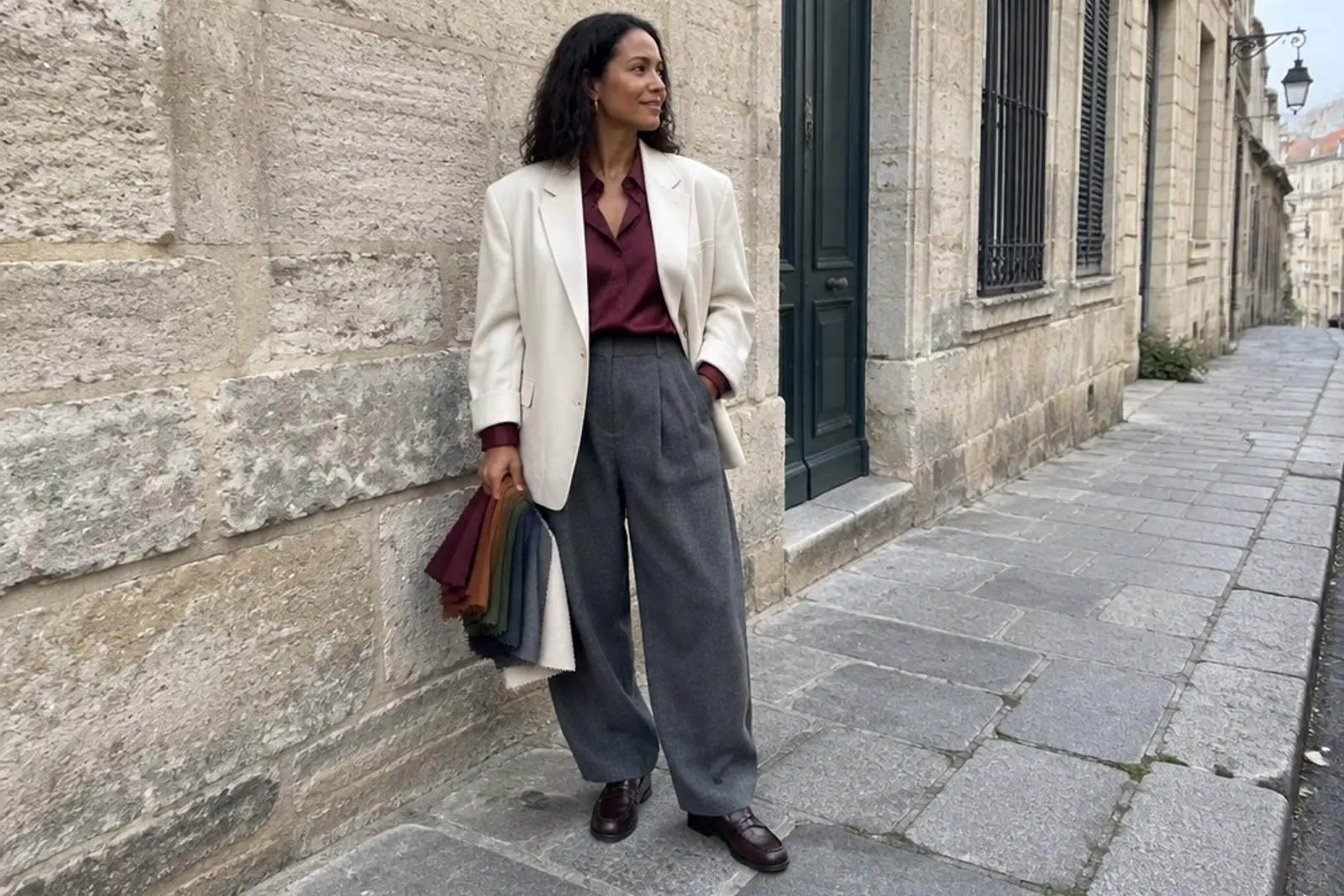
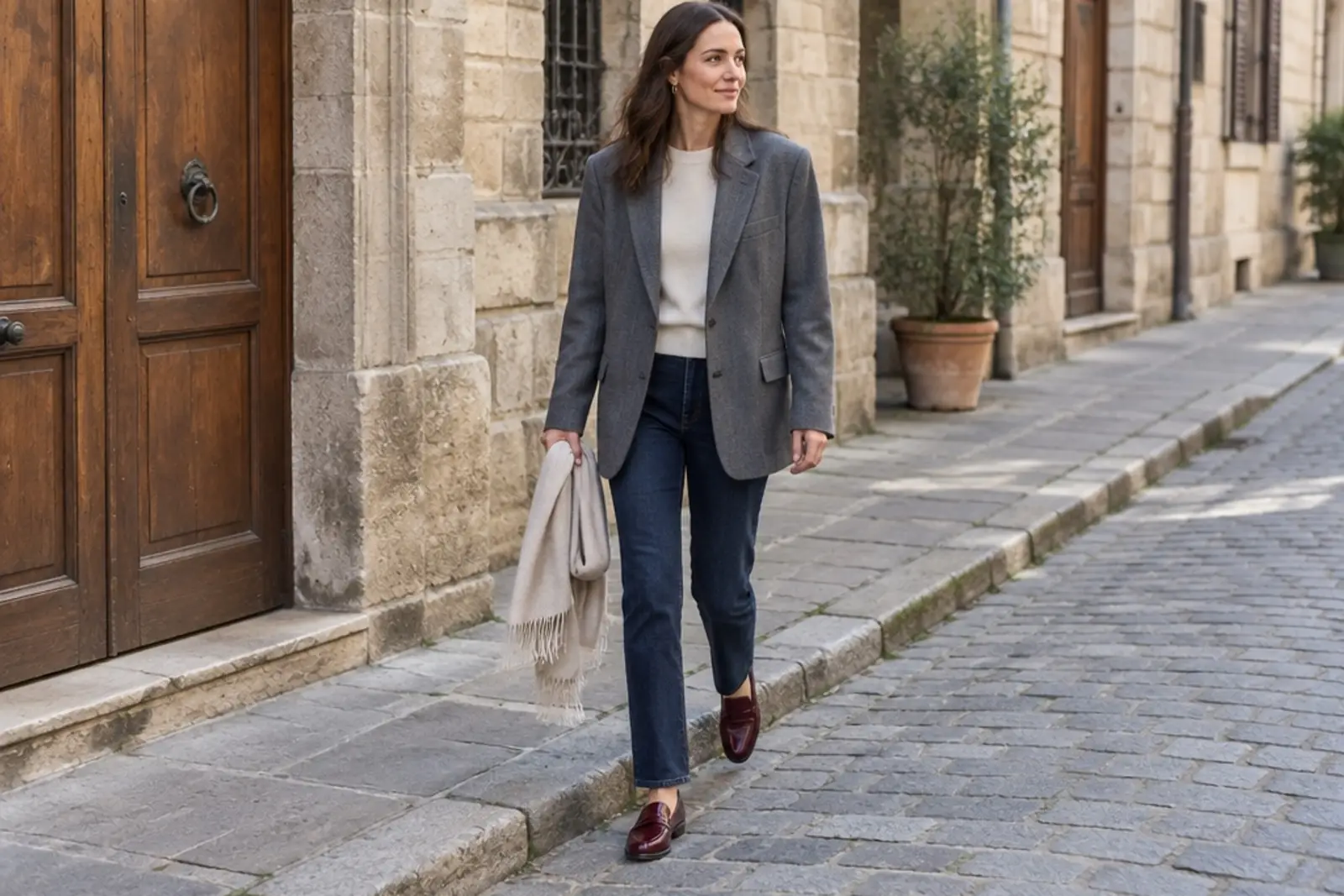
- Tailored trousers or a midi skirt with a blouse or fine knit
- A blazer, which you can take off if the room feels relaxed
- A simple shirt dress or knit dress
- Loafers, low heels, ankle boots or smart flats
For men:
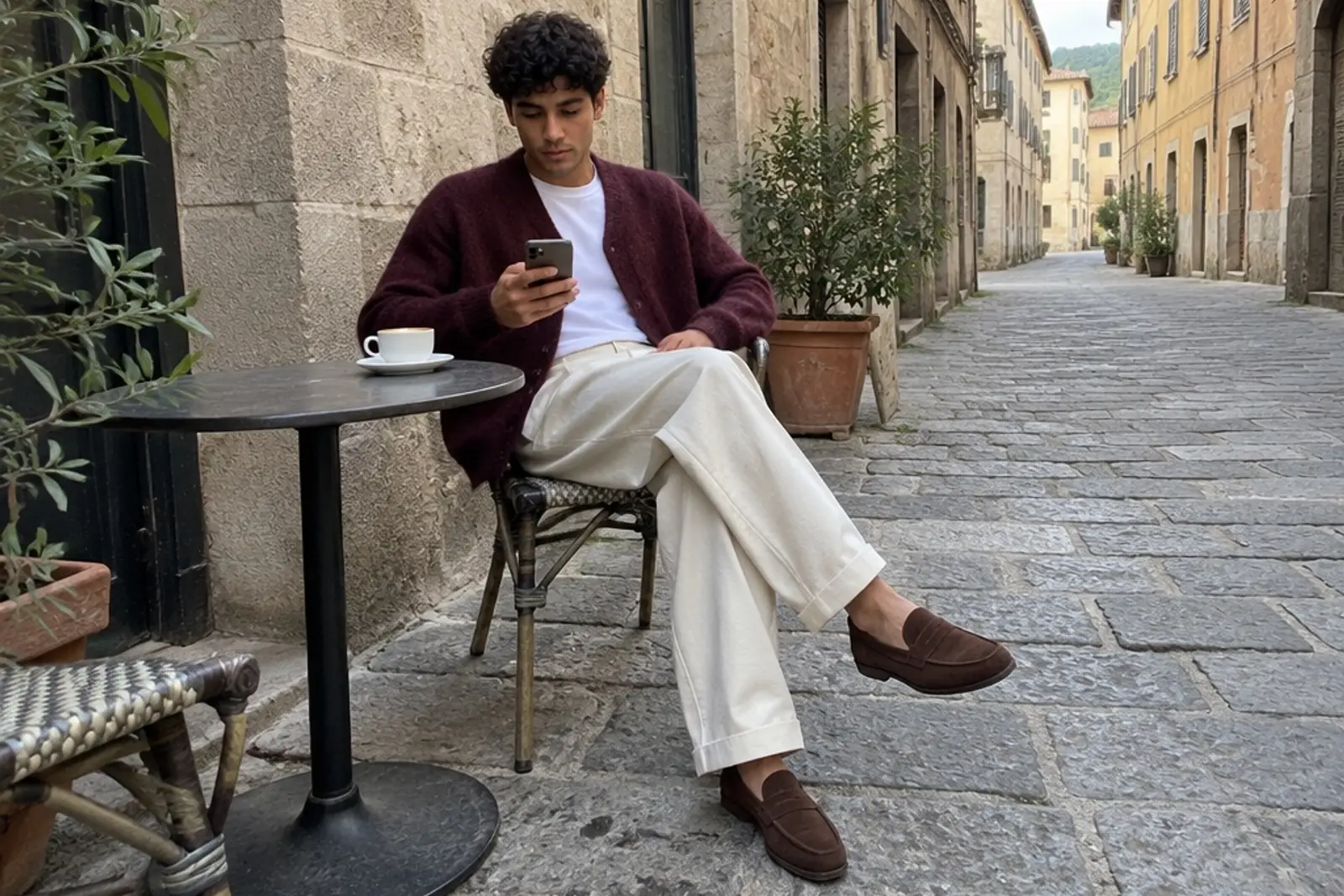
- Chinos or tailored trousers
- A button-up shirt, with or without a blazer
- A fine-knit jumper over a collared shirt in cooler weather
- Leather shoes, loafers or smart boots; no tie needed
Creative and tech
Design studios, agencies, start-ups and tech companies tend to be relaxed, and turning up in a formal suit can feel out of step. Still, an interview is a moment to look considered.
For women:
- Dark jeans or wide-leg trousers with a crisp shirt or interesting knit
- A relaxed blazer or neat jacket
- A simple dress with clean trainers or boots
For men:
- Dark jeans or chinos with a plain shirt, polo or good T-shirt
- An overshirt or unstructured jacket
- Clean trainers, loafers or boots
In creative fields, you can show more personality: a colour you love, an interesting accessory, a distinctive shape. Keep one focal point and let the rest be simple. Our post on finding your personal style can help you work out what that point should be.
Remote video interviews
Video interviews still deserve proper dressing, even if only the top half is visible.
- Dress fully. Wearing proper trousers helps you feel in “interview mode”, and saves embarrassment if you need to stand up.
- Choose solid colours. Busy patterns and fine stripes can flicker on camera. Mid-tones like blue, green, burgundy or soft grey usually look good on screen.
- Mind the background. Contrast your top with the wall behind you, so you don’t blend in.
- Check the camera. Do a test call to see how your outfit, hair and lighting look. Face a window or lamp, rather than sitting with light behind you.
Grooming details
Small things are noticeable in an interview, especially at close range:
- Clothes: clean, pressed and free of lint or pet hair. Check for missing buttons and loose hems the day before.
- Shoes: clean and in good repair. Scuffed shoes are easy to miss and easy to fix.
- Hair: neat and away from your face, in whatever style suits you.
- Nails: clean and tidy. Polish is fine; chipped polish is better removed.
- Scent: light or none. Interview rooms can be small.
- Bag: a structured bag or simple backpack that can hold a notebook and copies of your CV without crushing them.
What to avoid
- Anything brand new and untested. Wear your interview outfit for an hour at home first, so you know it doesn’t pinch, crease badly or slip.
- Uncomfortable shoes. You may need to walk between buildings or tour the office.
- Too many statement pieces. One is plenty.
- Clothes that need constant adjusting. If you find yourself pulling at a hem or neckline, choose something else.
- Very casual items such as sports trainers, hoodies or very distressed denim, unless you know the company is genuinely that relaxed.
Prepare the night before
Lay out everything the evening before: outfit, shoes, bag, documents and a layer in case the weather changes. A planned outfit removes one decision on a morning when you’d rather be thinking about your answers. The same habit helps on other formal days, such as jury duty.
If you’re using Amalook, you can put the interview outfit on your calendar in advance, so it’s ready and waiting. If you’ve shared your approximate location, Amalook can take the forecast into account too, so you’re not caught out by rain on the way.