Dress codes decoded: what to wear for each one
Casual, smart casual, business casual, business formal, cocktail and black tie explained, with practical, easy outfit ideas for women and men.
An invitation says “smart casual” and suddenly a simple question gets complicated. Dress codes exist to help everyone feel comfortable in the same room, but the terms are vague and they shift between workplaces, countries and generations.
This guide explains what each common dress code usually means in practice, with ideas for women and men. Treat it as a starting point, not a rulebook. Context always wins.
A quick note before you start
When you’re unsure, a few questions help:
- Where is it, and when? A garden party at noon and a hotel dinner at nine call for different choices, even with the same code.
- What will the host wear? If you know them, their style is a good guide.
- Can you ask? Asking the host or a colleague is completely normal.
If in doubt, aim for slightly smarter than you think. It’s easier to remove a jacket or a tie than to add one.
Casual
Casual means everyday clothes that are clean, comfortable and in good condition. It doesn’t mean anything goes.
For women: jeans or relaxed trousers with a T-shirt, knit or shirt. A simple dress with flat sandals or trainers. A denim or light jacket.
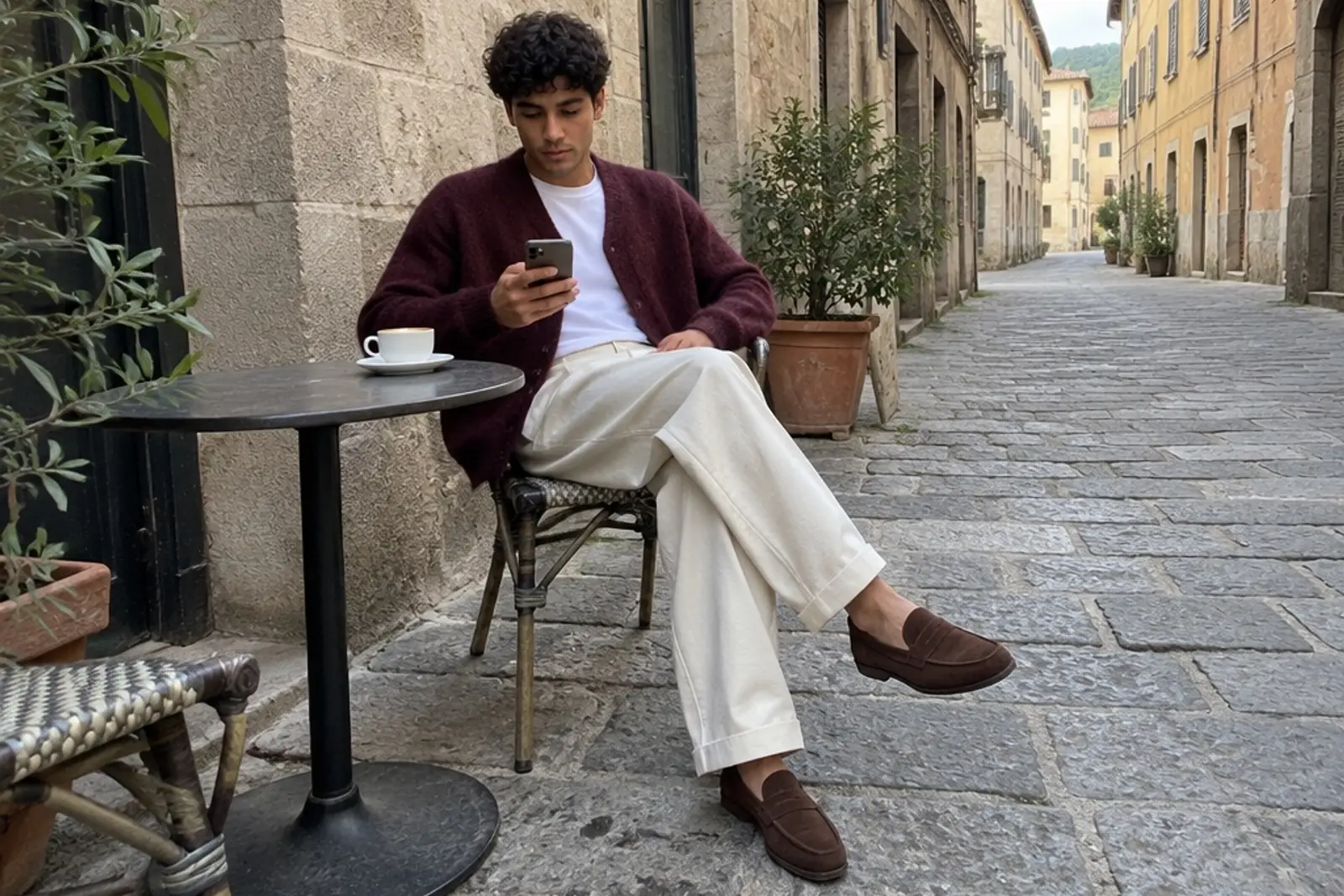
For men: jeans or chinos with a T-shirt, polo or casual shirt. Clean trainers, loafers or boots. A sweatshirt or overshirt in cooler weather.
The difference between casual and careless is usually fit and condition. Pieces that are pressed, clean and the right size look good even when they’re relaxed. Our guide to looking put together with minimal effort covers this in more detail.
Smart casual
The most common and most confusing code. Think of it as casual clothes with one or two smarter elements. You should look relaxed, but like you made an effort.
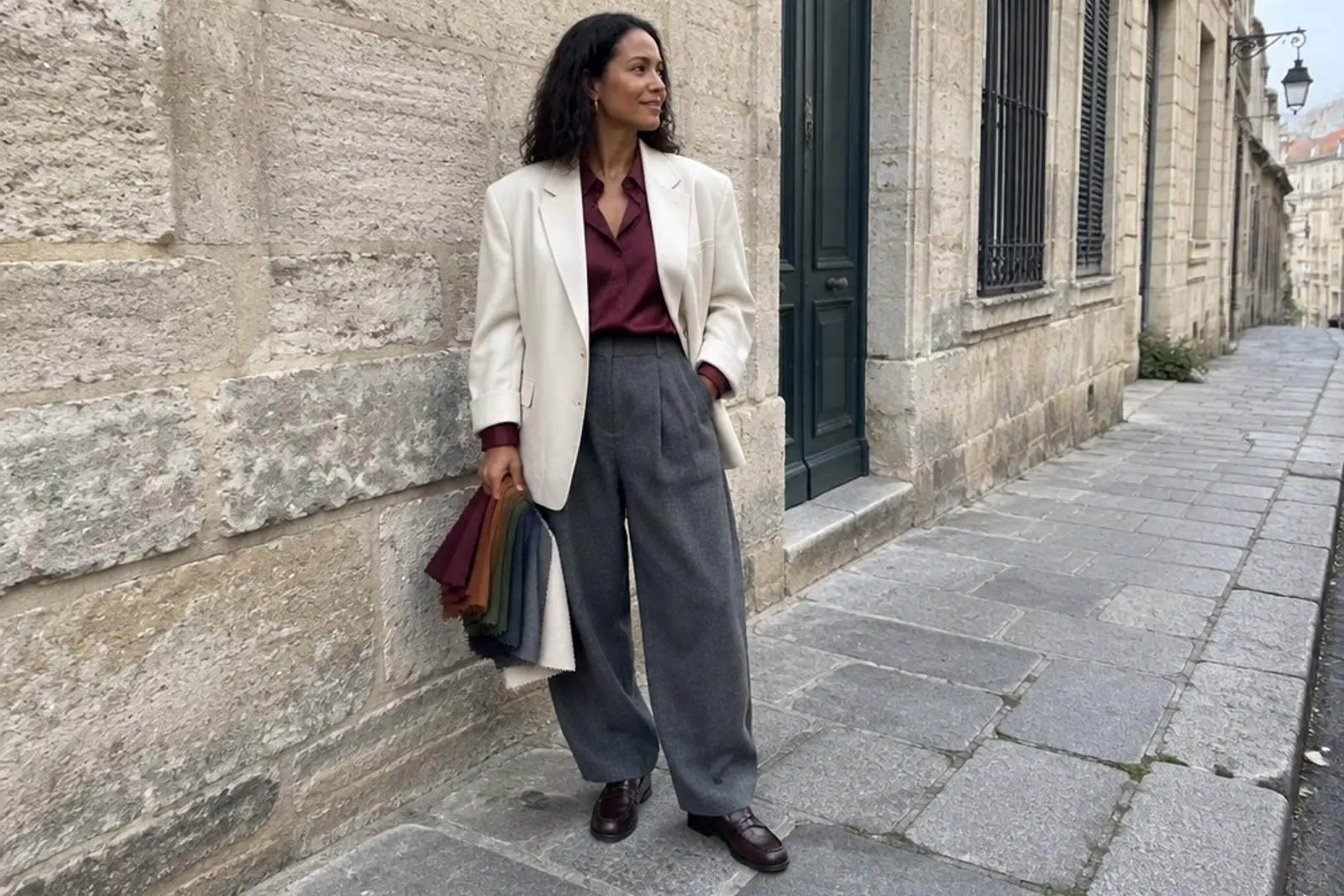
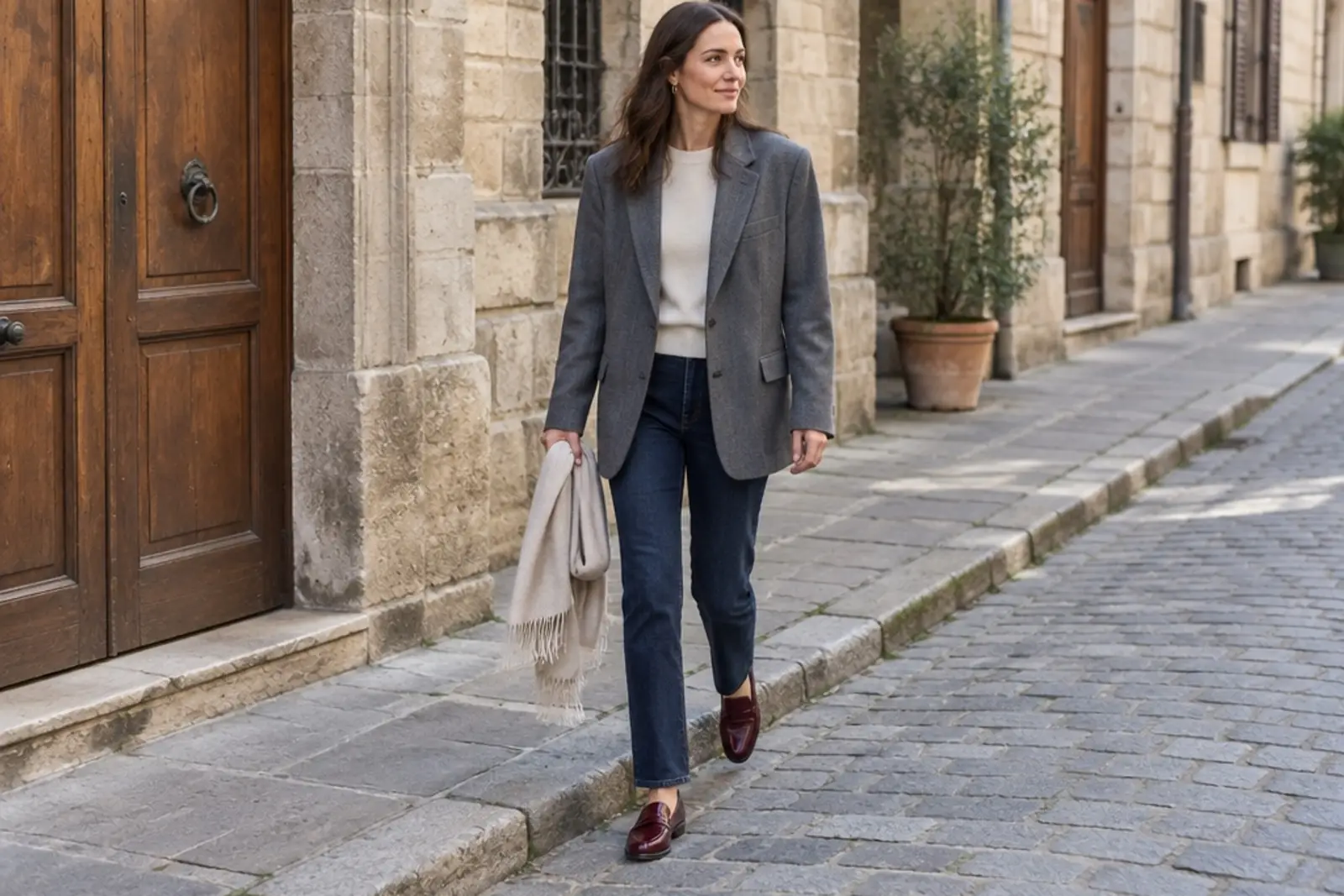
For women: tailored trousers or dark jeans with a blouse, fine knit or neat shirt. A midi skirt with a knit. A blazer or smart jacket on top. Loafers, ankle boots, block heels or clean leather trainers.
For men: chinos or dark jeans with an Oxford shirt, polo or fine knit. An unstructured blazer is optional but useful. Loafers, desert boots or clean leather trainers. No tie needed.
A simple test: if you replaced one piece of your outfit with something more formal, would it still look natural? If yes, you’re in smart casual territory.
Business casual
Business casual is the everyday standard in many offices. It’s smarter than smart casual, but without a full suit.
For women: tailored trousers or a knee-length or midi skirt with a blouse, shell top or knit. A blazer or structured cardigan. Simple dresses with sleeves or a jacket. Closed-toe flats, loafers or modest heels.
For men: chinos or wool trousers with a collared shirt. A knit over the shirt in cooler months. A blazer is common but not always required. Leather shoes such as loafers or lace-ups. A tie is usually optional.
Jeans are sometimes accepted, especially on Fridays, but it varies a lot by workplace. When starting a new job, watch what colleagues wear in the first week. If you’re preparing for an interview, our guide to the job interview outfit goes into more detail. Many courts ask for the same level, as our guide to what to wear to jury duty shows.
Business formal
Business formal is for important meetings, formal presentations, some interviews and conservative industries.
For women: a matching suit with trousers or a skirt, or a tailored dress with a jacket. Simple blouse or fine knit underneath. Closed-toe shoes, often with a modest heel. Minimal, polished jewellery.
For men: a matching suit in navy, charcoal or grey. A pressed shirt in white or light blue. A tie. Polished leather lace-ups and a belt that matches them.
Fit matters most here. A well-fitting, simple suit always looks better than an expensive one that pulls or sags. See how clothes should fit for the checkpoints that make tailoring look sharp.
Cocktail
Cocktail attire is for parties, evening receptions and many weddings. It’s festive and elegant, but shorter and lighter than full formal wear. December invitations have their own wording, so there’s a separate guide to what to wear to a holiday party.
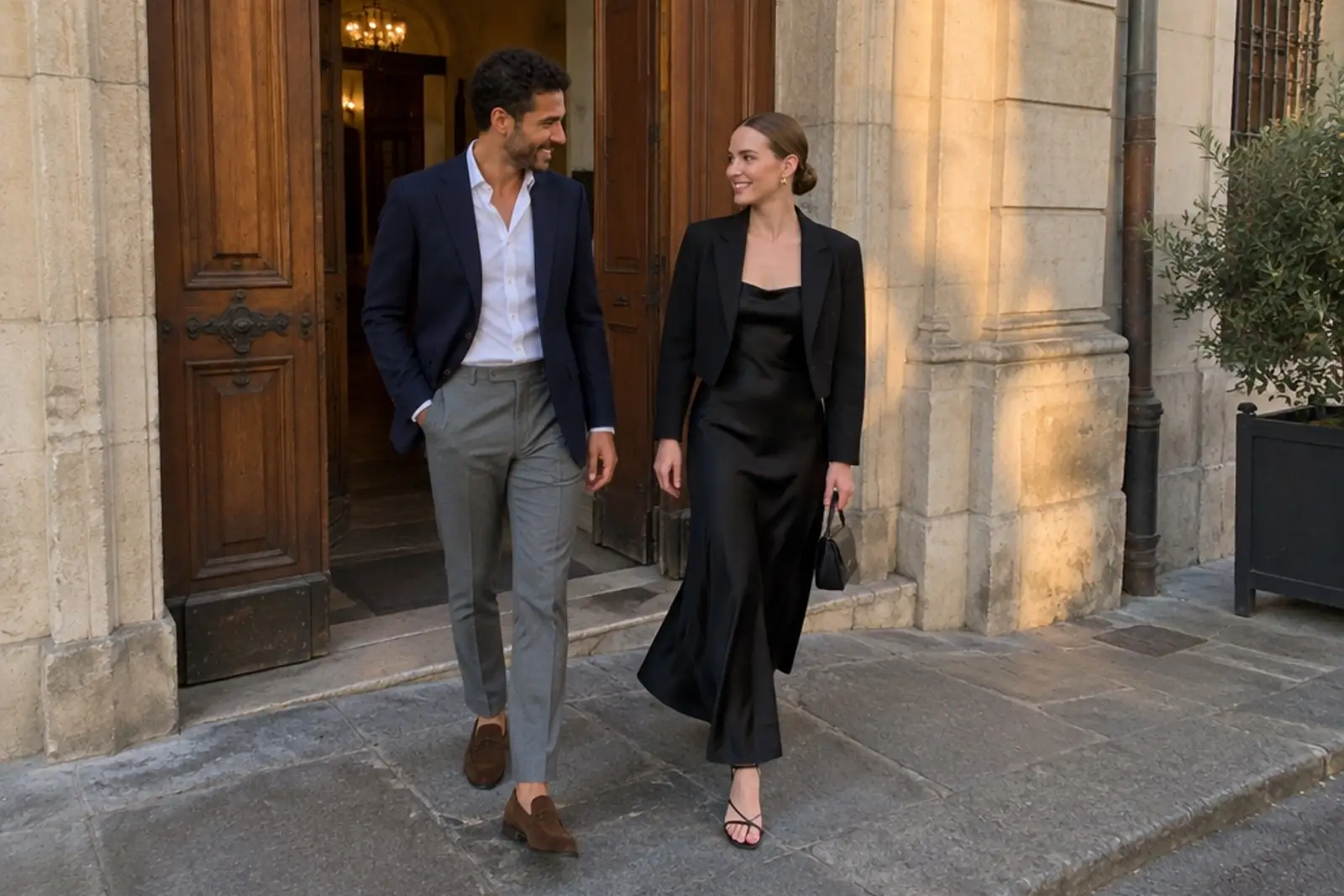
For women: a dress around knee to midi length, or an elegant jumpsuit. Smart separates, such as a silk top with tailored trousers, also work. Heels, dressy flats or sandals. This is a good moment for statement jewellery or a small evening bag. Our guide to accessories that elevate an outfit has ideas.
For men: a suit, usually darker for evening events. A tie is common but some events skip it. A crisp shirt and polished shoes. A pocket square is an easy way to add personality.
Read the event, too. A summer wedding by the sea suggests lighter fabrics and colours. A winter evening in the city suggests darker tones and richer textures.
Black tie
Black tie is the most formal code most people will meet. It’s used for galas, formal dinners and some evening weddings.
For women: traditionally a floor-length gown. Today, an elegant cocktail dress, a dressy jumpsuit or refined evening separates are often welcome too, depending on the event. Choose luxurious fabrics, evening shoes and a small clutch.
For men: a dinner suit (tuxedo), usually black or midnight navy, with a white dress shirt, a black bow tie and black polished shoes. Some invitations allow a dark suit and tie instead, especially when they say “black tie optional”.
If you’re renting or borrowing, try it on well in advance so there’s time for adjustments.
When the code isn’t written down
Sometimes there’s no dress code at all. In that case, look at the setting, the time and the purpose of the event, and choose the code that feels closest. A first date at a casual bar is different from dinner at a restaurant with tablecloths. Our first date outfit ideas walk through a few scenarios, and what to wear to Thanksgiving dinner does the same for a family gathering.
Above all, dress in a way that lets you relax and enjoy yourself. Feeling comfortable is part of looking good.
Planning ahead with Amalook
Dress codes are easier when you aren’t deciding on the night. With Amalook, you can plan the outfit for an event on your calendar ahead of time, using pieces already organised in your wardrobe from photos. If you share your approximate location, Amalook can also take the weather into account, so the outfit works for the occasion and the forecast.