Colour combinations that always work: a simple guide
You don't need colour theory to dress well. Five reliable ways to combine colours, plus how to find the shades that suit you.
Colour is the fastest way to make an outfit feel intentional, and the easiest way to make it feel “off”. The good news is that you don’t need to memorise a colour wheel. A handful of reliable approaches covers almost every situation.
1. Neutrals plus one colour
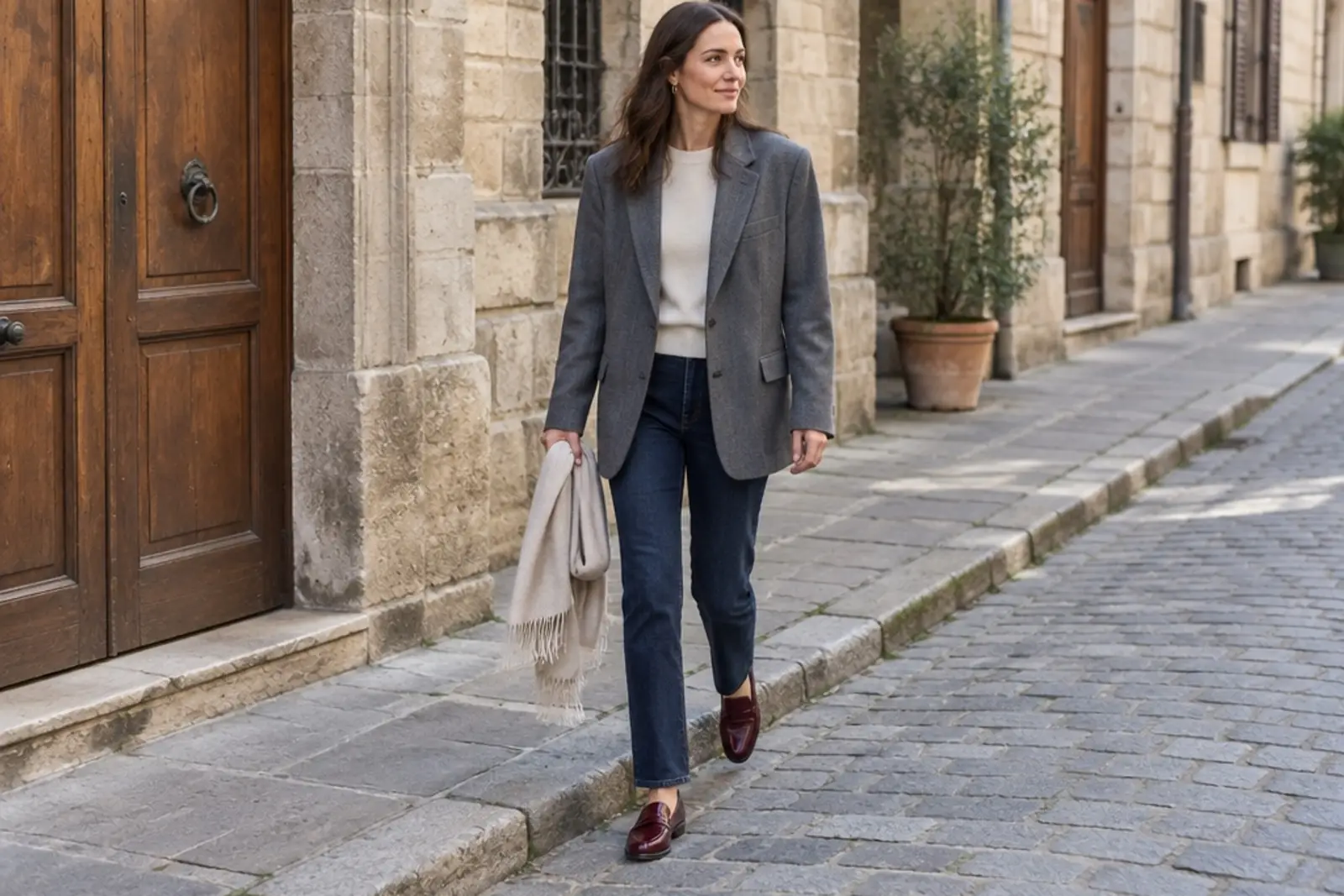
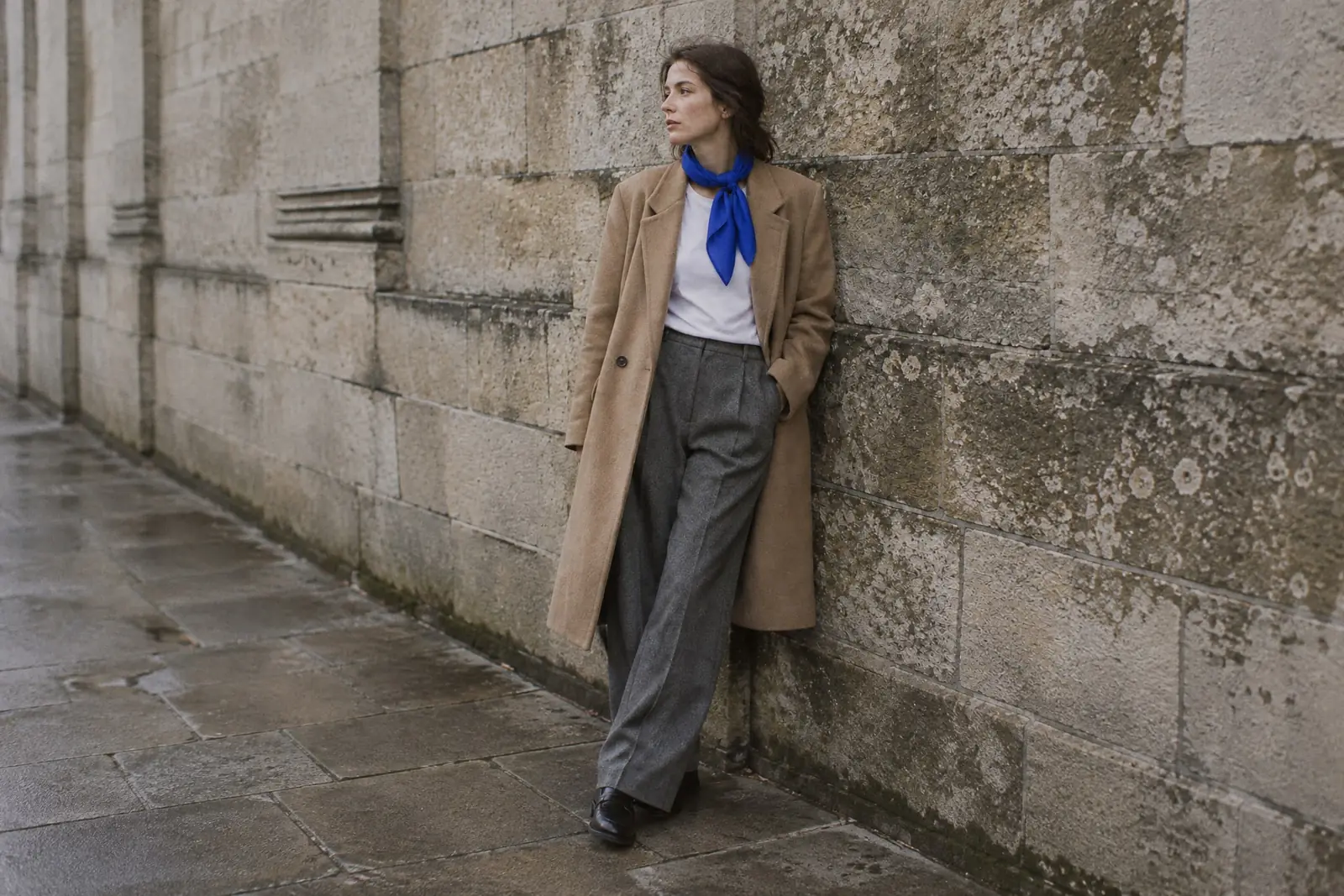
The safest formula in fashion. Build the outfit from neutrals, such as navy, grey, beige, white, black or camel, and add a single colour: a red knit, a green bag, a cobalt shirt. The neutral base keeps it calm, and the colour gives it a point of interest.
Try: grey trousers, white T-shirt, camel coat, a bright scarf.
2. Tonal dressing
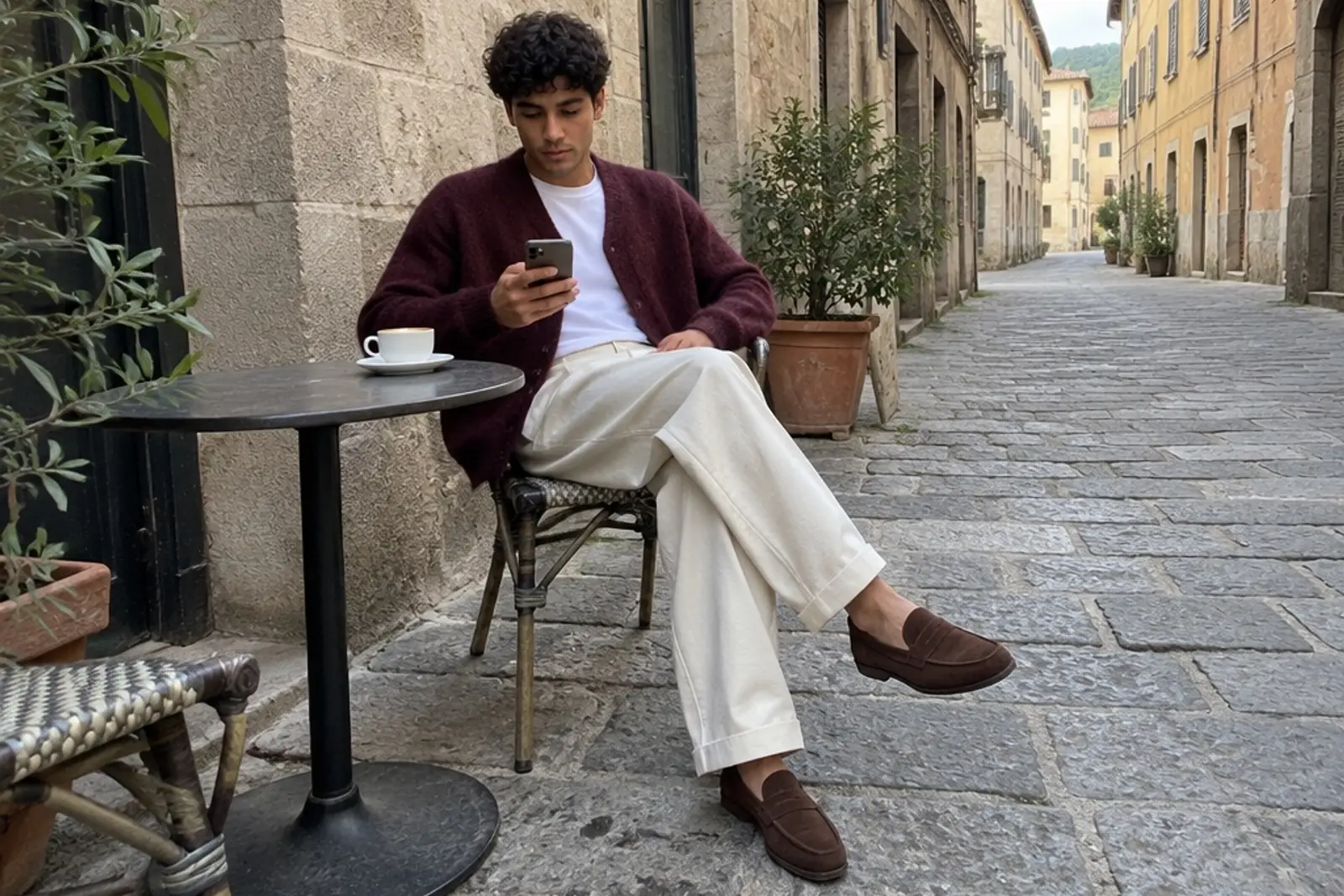
Wear several shades of the same colour, from light to dark. Cream with beige and chocolate brown. Pale blue with denim and navy. Tonal outfits look polished and put-together with very little effort, because nothing clashes.
Tip: vary the textures, such as knit, cotton and leather, so the look has depth rather than looking flat.
3. Analogous colours
These are colours that sit next to each other on the colour wheel: blue and green, red and orange, pink and purple. They share an undertone, so they blend naturally while still feeling more interesting than a single colour.
Try: an olive jacket over a teal top, or a rust skirt with a mustard knit.
4. Complementary accents
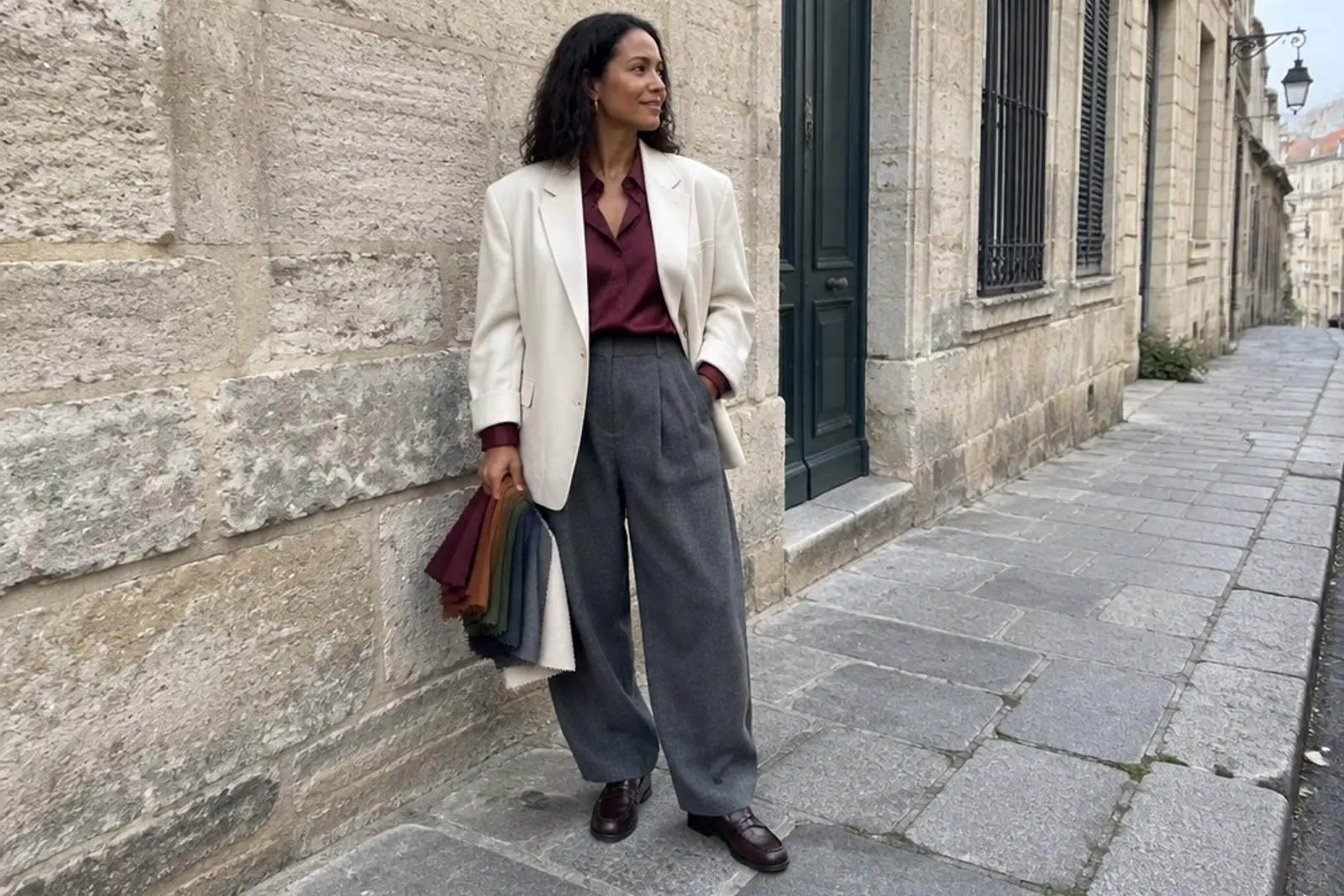
Complementary colours sit opposite each other: blue and orange, purple and yellow, red and green. Worn in equal amounts they can be loud. Used as an accent, they’re striking: a navy outfit with tan shoes, or a purple dress with a small gold or mustard detail.
Rule of thumb: one dominant colour, the complementary one in a small dose.
5. Denim is a neutral
Blue denim goes with nearly everything: white, black, grey, beige, red, pink, green. If you’re unsure about a colourful top, pair it with jeans.
How to find colours that suit you
Instead of starting with rules about “seasons” and skin tones, start with evidence:
- Look at photos where you like how you look. What colours are you wearing near your face?
- Notice compliments. If people often say you look well in a certain colour, they’re probably right.
- Hold colours up to your face in daylight. Some will make your skin look brighter and even, others will make you look tired. Our guide to finding your undertone turns this into a short test with warm and cool pairs.
Keep your best colours for tops, scarves and anything worn near your face. Less flattering shades can still work in trousers, skirts and shoes. If you’ve been handed a seasonal palette, we looked at what the research says about colour analysis.
Seeing your own patterns
Most of us wear far fewer colours than we own. Amalook’s style insights show the colours you actually reach for, which is often the quickest way to see your natural palette, and the pieces that never get worn because nothing goes with them.