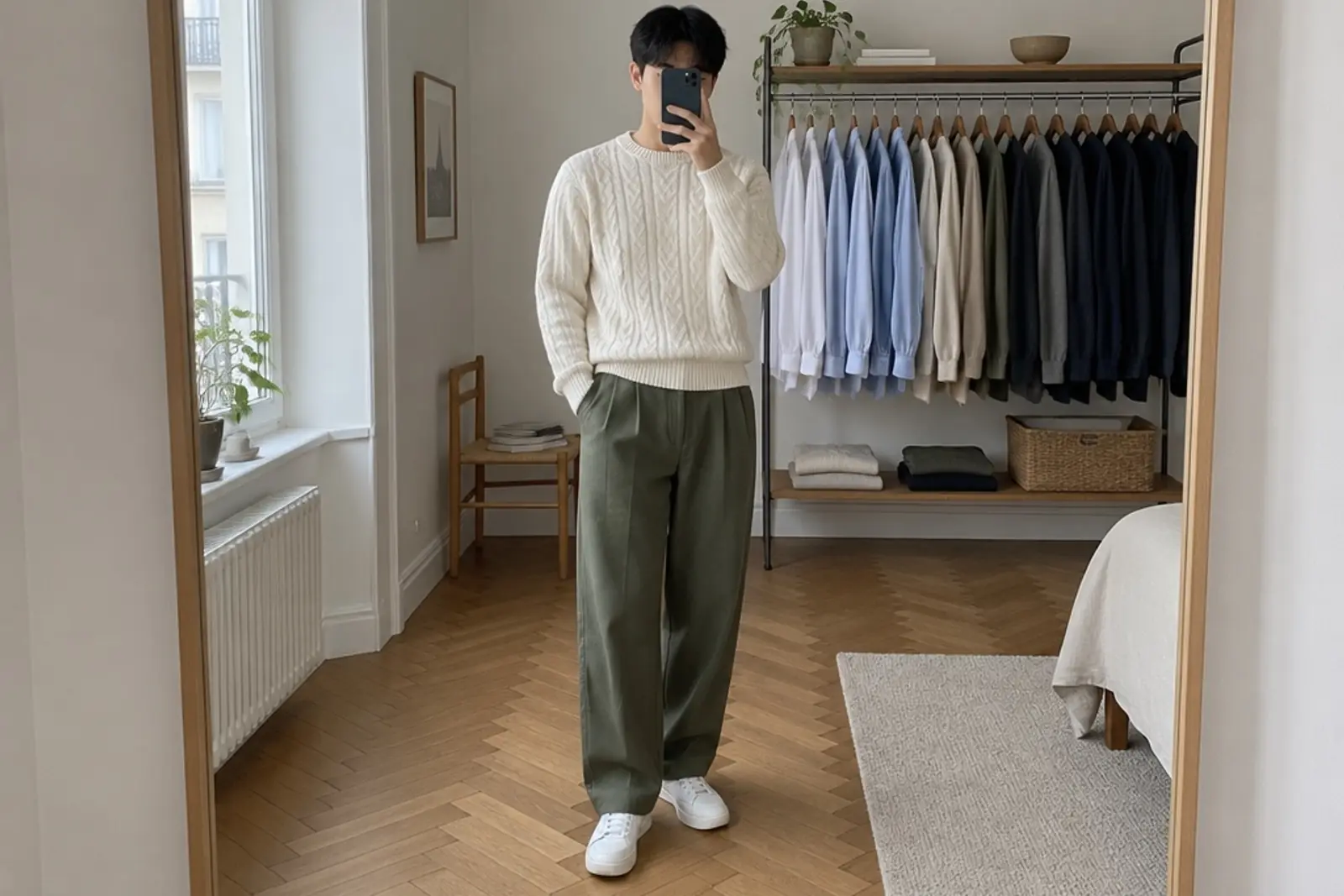
Why we're launching Amalook on iPhone first
Small studios have to choose. Here's why Amalook starts on iOS, what that means for Android users, and how we decide what to build next.
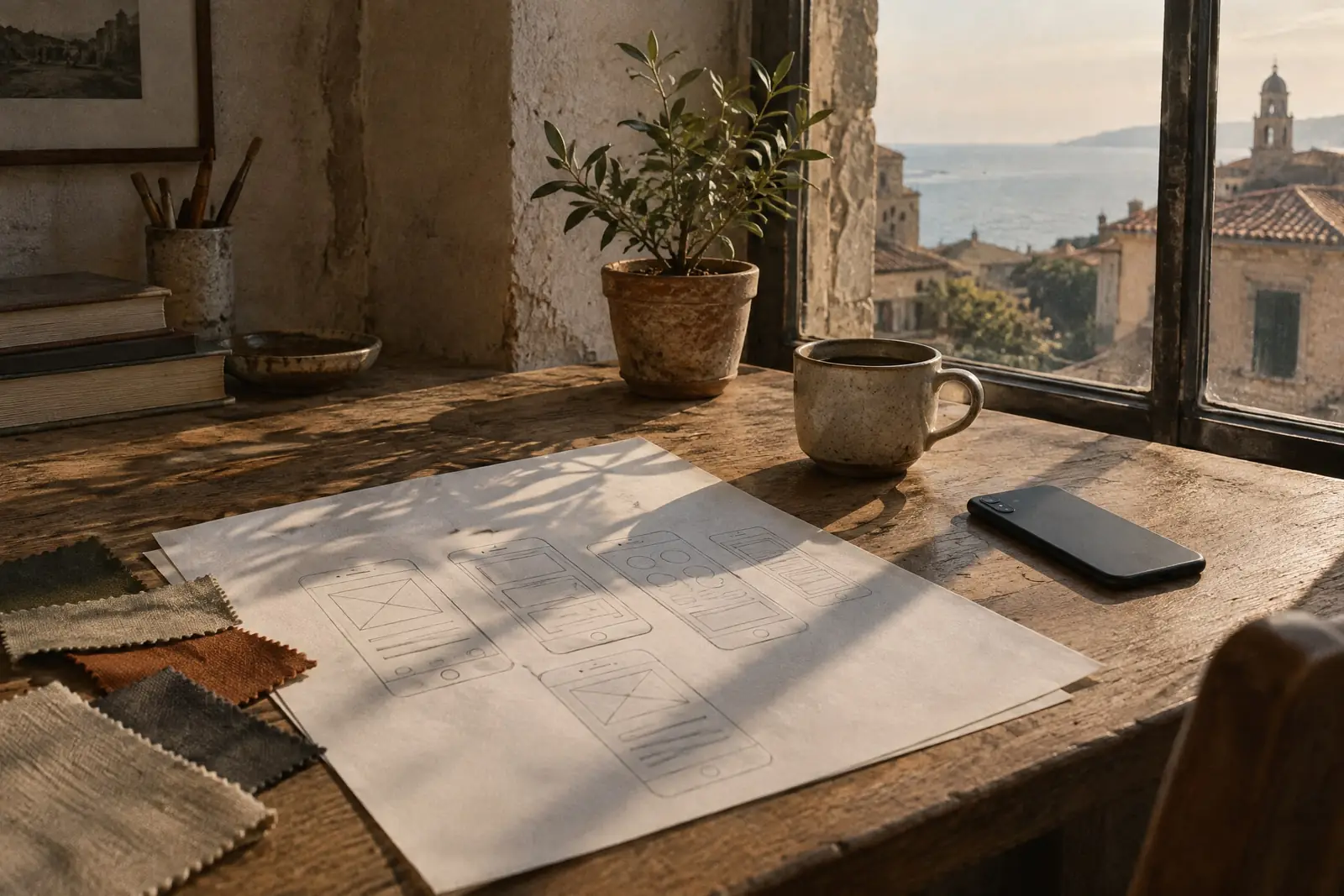
One of the first questions people ask us about Amalook is: “Will it be on Android?” The short answer is yes, that’s the plan. But Amalook launches on iPhone first, and we want to explain why.
A small team has to focus
Pleyada is a small, independent studio. Building and properly supporting two native apps at once would mean doing everything half as well: half the testing, half the polish, slower answers to support emails. We’d rather ship one app that feels right than two that feel unfinished.
Why iPhone specifically
A few practical reasons made iOS the right starting point for Amalook:
- The camera is the core of the app. Amalook relies on photos of clothes and mirror selfies. Starting on a narrower range of devices lets us tune the photo experience carefully before expanding.
- A consistent platform. Fewer screen sizes and OS versions mean we can spend our time on features rather than device-specific bugs.
- Subscriptions handled by Apple. Payments, receipts, refunds and cancellations go through Apple’s system. People already know how to manage them, which matters for trust.
- Privacy expectations. iOS users are used to clear permission prompts and App Store privacy labels. That fits how we want to work anyway: ask only for what a feature needs, and explain why. You can see this in our Trust Center.
What this means if you use Android
Amalook’s backend, the part that stores your wardrobe and does the AI work, is not tied to iPhone. When we bring Amalook to Android, your account will work there too. You’ll see the Google Play badge go live on our apps page when it’s ready. If you want to hear first, let us know.
How we decide what’s next
We keep a simple rule for every decision, from platforms to features: does it make getting dressed easier for the people already using Amalook? If yes, it moves up the list. If it mostly makes the app look bigger, it waits.
This is also why we write this journal. We want to be open about what we’re building, what we’re not, and why.